

For most AEC firms, a virtual assistant costs roughly a third of a full-time in-house drafter once you add benefits, payroll taxes, office space, and equipment to the salary. In-house still wins where work is tied to licensure, needs same-room collaboration, or handles highly sensitive data. So the right answer for many firms is a hybrid. This guide compares both models across the three factors that actually decide it: cost, risk, and speed to productivity.
AEC leaders juggle thin margins, looming deadlines, and scarce talent. This guide shows where in-house hiring wins, where a Virtual Engineering Assistant shines, and how a smart hybrid can boost output without ballooning costs. You’ll see clear salary maths, real risk filters, and speed benchmarks pulled from live projects. Finish the read and know exactly which model fits your budget, your timeline, and your compliance thresholds.
|
Cost/risk factor |
In-house AEC drafter (U.S.) |
Virtual assistant |
| Base salary | ~$63,000 median (BLS, May 2024) | Billed hourly — no salary |
| Benefits & payroll tax | +22% → ~$76,860 fully loaded | None — B2B invoice |
| Office space & equipment | Added on top (desk, software, hardware) | None — works remotely |
| Typical all-in annual | ~$76,860+ / yr | ~$25,000 / yr (2,040 hrs @ $10–$15) |
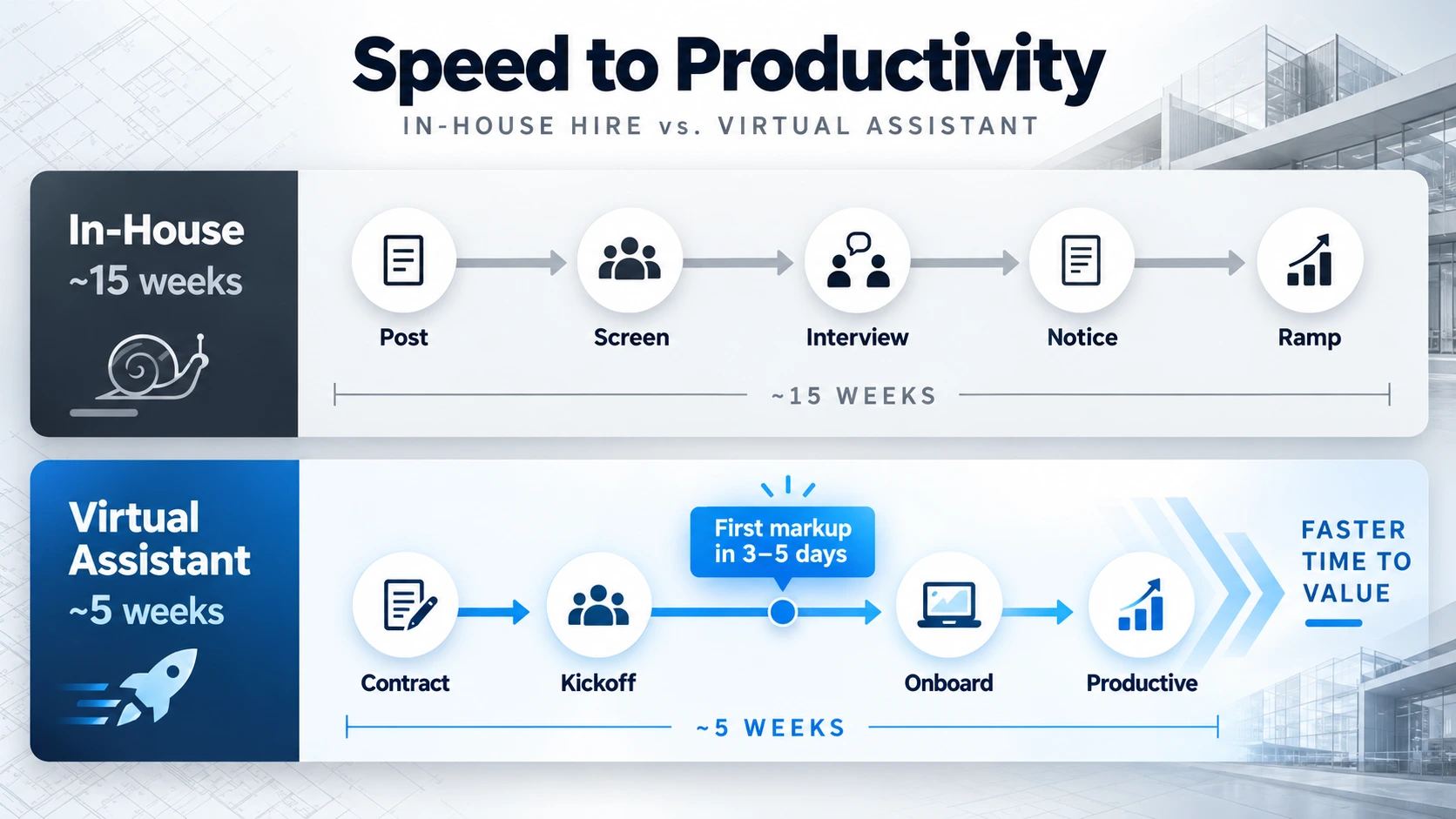
| Time to productivity | ~15 weeks (post → screen → notice → ramp) | ~5 weeks (contract → kickoff → onboard) |
| Misclassification risk | W-2 rules; fines up to $1,000/day (DOL) | B2B agreement — no payroll/overtime |
| Licensure/stamping | Can hold seal control in-house | Excluded via Scope of Work; seal stays with U.S. license holder |
“Sources: U.S. Bureau of Labor Statistics (May 2024); U.S. Dept. of Labor. VA figures reflect typical all-in international rates.”
Key Takeaways
- International AEC virtual assistants cost $25,000 for 2,040 annual hours, under half the $76,860 fully loaded cost of a U.S. in-house drafter.
- An in-house drafter takes about 15 weeks from job posting to full productivity, versus about 5 weeks for a virtual assistant.
- Seal control on stamped drawings stays with the U.S. license holder, even when a virtual assistant touches those drawings.
- Replacing departed in-house staff takes 12 to 20 weeks, versus 4 to 6 weeks for a virtual assistant.
- Mark-up turnaround under 24 hours is a target KPI for hybrid teams combining in-house AEC staff and virtual assistants.
The Cost Equation
Bottom line: dollars decide first. Here’s how the two models stack up.
Salary vs. Hourly Rates
- In-House Drafter (U.S.): Median $63,000 base + 22 % benefits = $76,860 / yr (BLS, May 2024).
- Virtual Assistant (Internationally): $10–$15 / hr all-in. A 2,040-hour workload lands at $25,000 / yr – less than half.
- Currency swings matter: lock contracts in USD to stabilize forecasts.
Example – Five-Person Drafting Team
| Model | Total Annual Payroll | Hardware & Office | Software | Grand Total |
| In-House | $384,300 | $15,000 | $9,750 | $409,050 |
| VA | $125,000 | Included | Included | $125,000 |
Result: The VA route frees $284,050 a year—more than enough for an extra project manager.
Overhead Extras
Hidden costs often tip the scale:
In-House
- Recruitment fees (8–20 % of first-year salary).
- PTO, insurance, 401(k) match.
- BIM workstation upgrades every three years.
Virtual Assistant
- Slightly higher hourly rate for night-shift overlap.
- One-time knowledge transfer sessions via BIM 360.
If your decision hinges specifically on where the assistant sits, remote vs. physically on-site, see our breakdown of the real trade-offs between remote and on-site assistants for AEC firms.
Example Calculation: 5-Person Drafting Team vs. Offshore VA
We ran numbers on a mid-size design-build firm. Swapping an in-house drafter for a VA cut fixed payroll by 61%. Break-even hit in two months, even after onboarding time.
Once you’ve compared the costs, the next question is return. Here’s how to measure the ROI of AEC outsourcing.
Persona-anchored mini-scenarios
Solo / small firm: A solo architect spending 20–30 hours a week on CAD rather than billable design work rarely needs a full-time in-house drafter; the fixed overhead offsets the gains. A part-time VA absorbing production lets the principal reclaim billable hours without adding payroll.
Scaling small firm: A 5–15 person firm missing bid deadlines because local hiring takes 6–12 months can add remote capacity in weeks, then flex it down after the surge- capacity without fixed headcount.
See full role-by-role outsourcing cost benchmarks.
Risk & Compliance
Mismanaging risk can erase any cost win. Below are the three hot zones your legal and project teams watch most.
Legal Exposure
- Employment Law: U.S. states label on-site drafters as W-2 employees. Misclassification fines climb to $1,000 per day (U.S. Dept. of Labor, 2024).
- Contractor Status: A Virtual Engineering Assistant works under a B2B agreement. You pay invoices—no payroll tax, no overtime.
- Licensing Liability: If your VA touches stamped drawings, seal control stays with the U.S. license holder. Keep sign-off logs in your project folder.
Action checklist
- File IRS Form W-9 when paying any VA entity.
- Attach a Scope of Work that excludes professional stamping.
- Set max hours per week in the contract to avoid “economic dependency” tests.
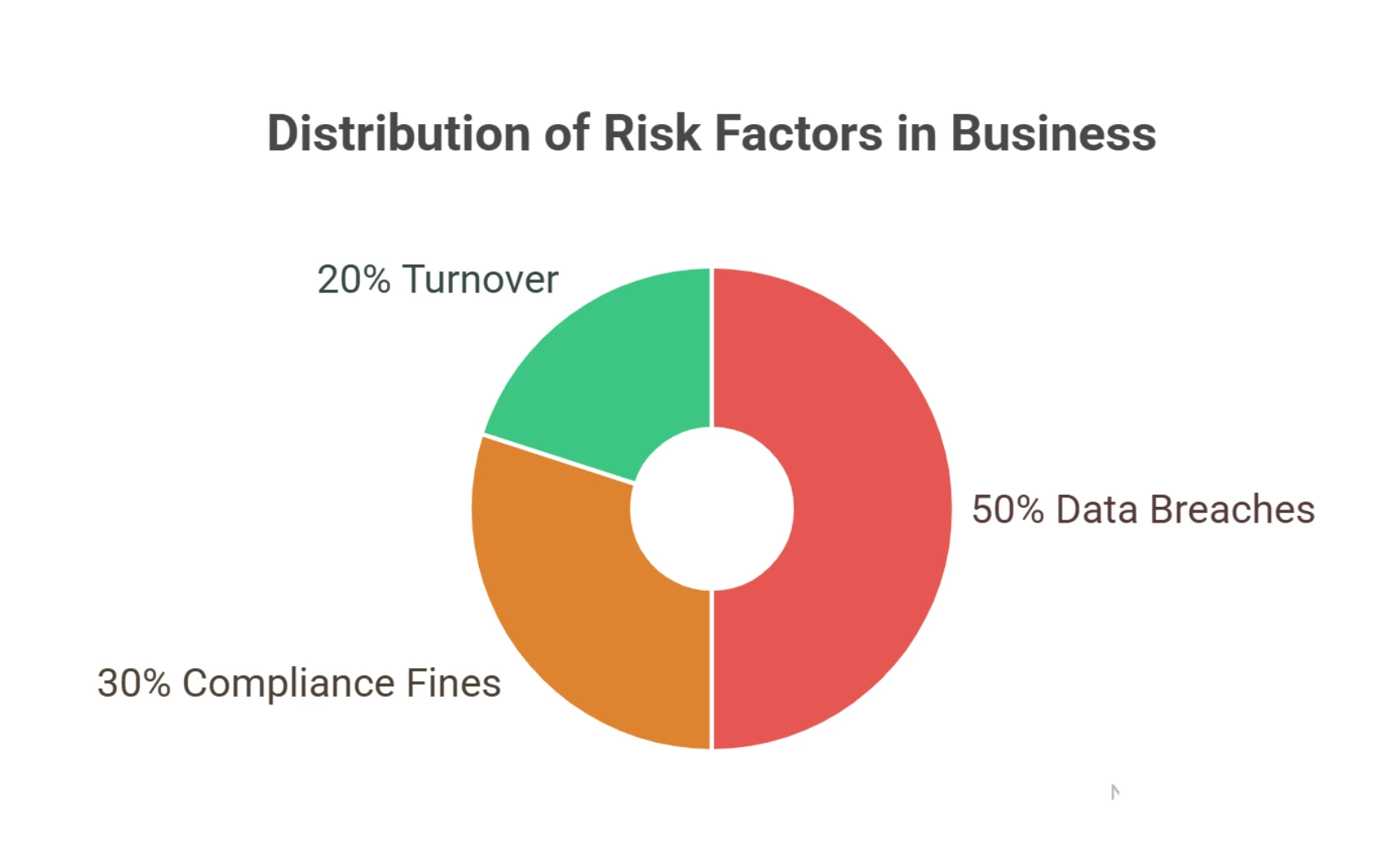
Data Security & IP
AEC projects move heavy BIM files and confidential bids. Breaches crush reputations.
- NDA First: Both in-house hires and VAs sign NDAs, yet breaches often stem from weak access controls.
- Zero-Trust Vaults: Host Revit models in cloud vaults like Autodesk Construction Cloud. Grant time-boxed access keys.
- VPN Gateways: Force MFA plus region-locked VPN. Remote AE’s BIM security checklist maps each control.
Turnover & Continuity Plans
People leave. Projects can’t.
|
Metric |
In-House Staff |
VA |
| Annual turnover | 18 % (AIA HR report, 2024) | 9 % (Remote AE vendor pool data, 2025) |
| Back-fill time | 12–20 weeks | 4- 6 weeks |
| Knowledge loss | High if no SOPs | Low— share the SOP library |
Continuity Playbook
- Maintain SOP videos for every drafting task.
- Assign twin VA “shadows” on large files.
- Rotate code reviews bi-weekly to catch style drift.
How to de-risk a VA engagement checklist
- Sign an NDA before any file access
- Provide VPN access, not raw file shares
- Attach a Scope of Work that excludes professional stamping
- File IRS Form W-9 for the VA entity (B2B)
- Set max weekly hours in the contract (avoids economic-dependency tests)
- Keep seal/sign-off logs with your licensed staff
- Share BIM template + layer/naming standards up front
Speed to Output
Time kills fees. Let’s see where each model accelerates or stalls.
Hiring Pipeline Timeline
- In-House Drafting Role:30 days to post, 30 days to screen, 14 days for interviews, 2 weeks’ notice, plus ~3 weeks ramp-up and training. Total: ~15 weeks.
- Virtual Assistant: Contract signed, kickoff call booked next day, NDAs signed electronically, onboarding completed. Time to full productivity: ~5 weeks.
Onboarding Playbook for VAs
Fast ramp-up hinges on structured inputs.
Day 0
- Share BIM template + layer standards.
- Add VA to the Slack channel with limited permalinks.
Day 1
- Screen-share walkthrough of current models.
- Set daily stand-up window (30 min overlap).
Day 3
- The first marked-up sheet cycle returned.
- Feedback recorded in SOP doc.
Tools that compress timelines
- Loom walkthroughs (could replace a 1-hour Zoom).
- ClickUp task templates for RFIs.
- BIM 360 Issues for live mark-ups.
Which model should you choose?
Choose in-house when: work is tied to licensure or stamping, the role needs same-room collaboration for fast design decisions, the data is highly sensitive or regulated, or you need someone physically on site.
Choose a virtual assistant when: the work is repetitive production (drafting, redlines, sheet sets, revisions), you’re capacity-constrained during a project surge, hiring locally takes months, or local salary costs are eroding your margins.
Choose a hybrid when you want senior staff protected for design and coordination, while a VA absorbs high-volume documentation- the most common setup for growing AEC firms.
If your real bottleneck is production throughput rather than headcount, it’s worth understanding how a virtual engineering assistant vs. a traditional CAD technician differ in scope and when each fits your workflow.
Not sure which model fits? See how four AEC firms decided.
When to Mix Both Models
A rigid all-or-nothing stance leaves money—and time—on the table. A flexible blend often wins.
Core vs. Peripheral Task Matrix
|
Task Group |
Keep In-House | Hand to VA |
| Code compliance, stamped drawings | ✔ | — |
| Drafting mark-ups, redlining | — | ✔ |
| Client meetings, local site walks | ✔ | — |
| Quantity take-offs, schedules | — | ✔ |
| Clash-detection reports | 50 / 50 | 50 / 50 |
Rule of thumb: Protect tasks tied to licensure. Push repeatable production work to your outsourced AEC talent pool.
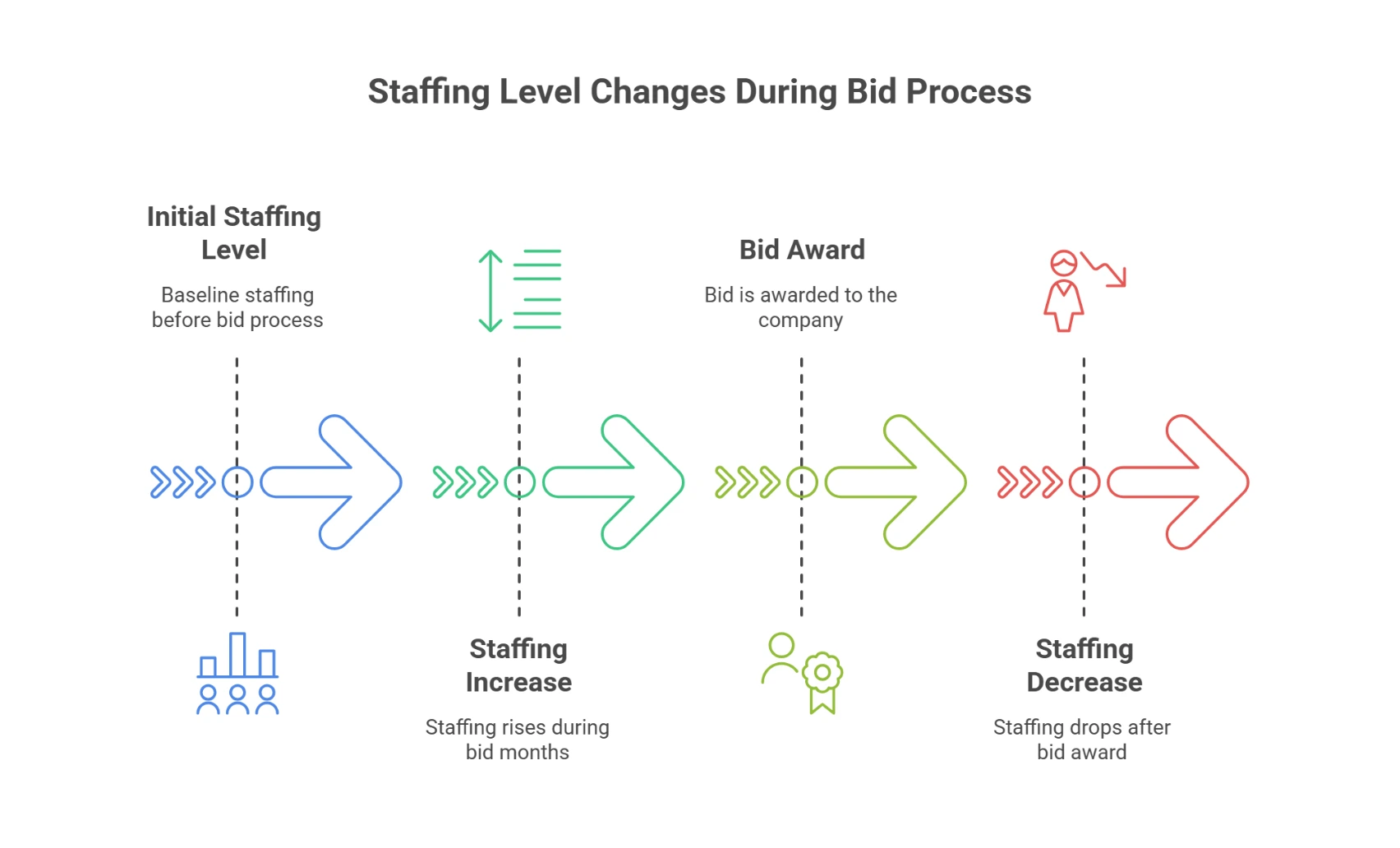
Seasonal Scaling for Bid Deadlines
Bid seasons hit hard:
- Q1 school bond packages.
- Q3 municipal roads.
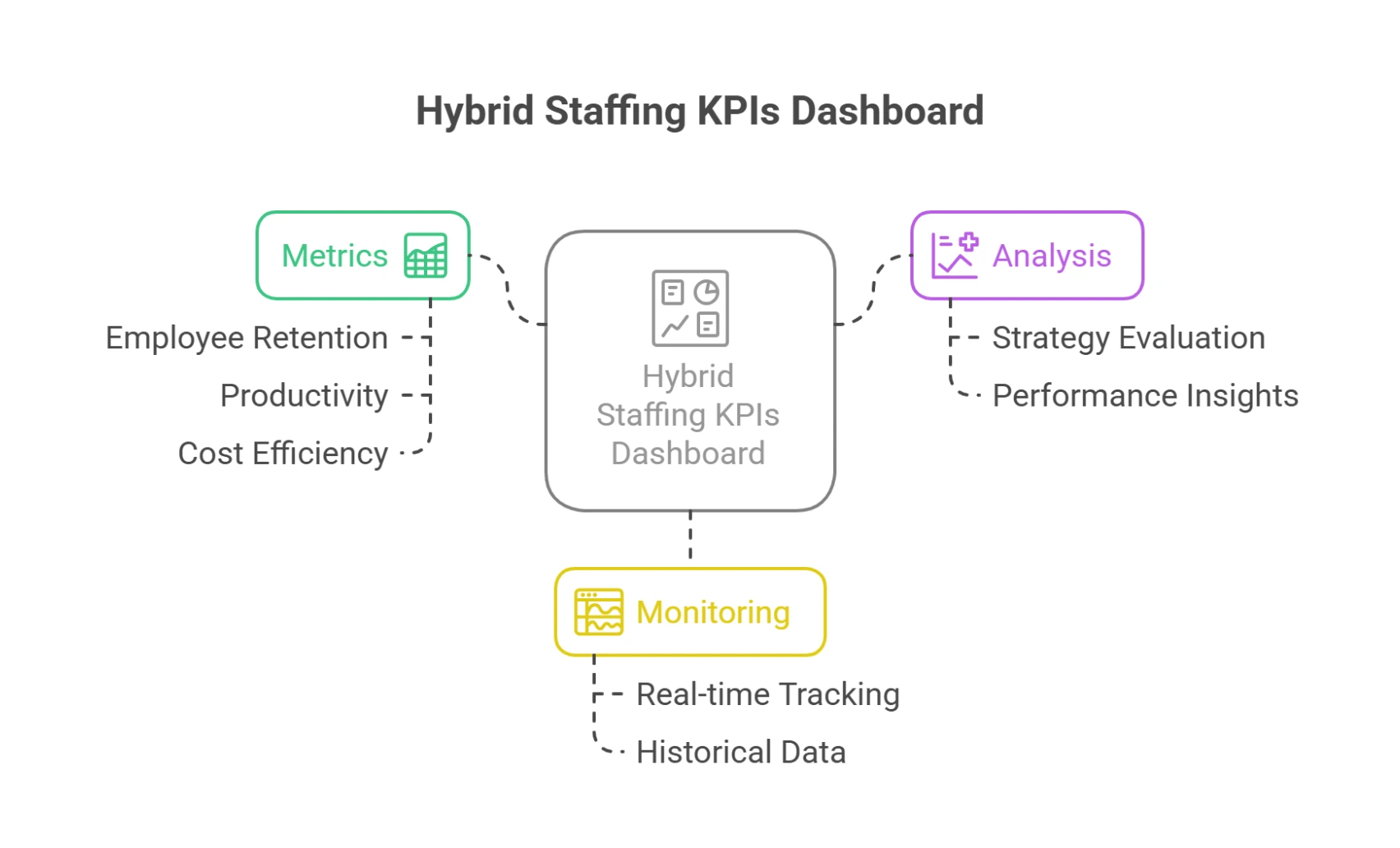
KPI Dashboard to Monitor Hybrid Teams
Track performance at a glance:
- Cost per sheet (target: <$38).
- Rework ratio (target: <5 %).
- Turnaround time (target: <24 h for mark-ups).
Plug numbers into a Google Data Studio board. Green bars mean scale-up VAs; red bars cue in-house attention. A simple breakdown of the layout is given here.
Decision Framework & Next Steps
5-Question Self-Assessment
- Is 60 %+ of my workload repeatable drafting?
- Do I spend >15 % of payroll on overtime?
- Are deadline misses due to manpower, not scope creep?
- Do projects stall when one drafter quits?
- Can I enforce VPN + BIM 360 access rules for remote users?
Score three or more “yes” and a VA likely fits.
Book a Consultation with Remote AE
Questions left? Book a remote staffing call. In 15 minutes, we map your project load, recommend a POD size, and share average hourly rates. No pressure, just data.
See how real AEC firms made the switch.
AEC Outsourcing ROI: FAQs
Is a virtual assistant cheaper than an in-house AEC hire?
A: Usually, yes. A virtual assistant handling ~2,040 hours of production work runs around $25,000 a year, versus roughly $76,860 for a fully loaded U.S. in-house drafter (median salary plus 22% benefits, BLS 2024), before office space and equipment. That’s about a 67% saving on comparable production work.
What are the biggest risks of using a virtual assistant in AEC?
The three watched most closely are worker misclassification, contractor status, and licensing liability. All are manageable: use a B2B agreement, an NDA, and VPN access, a Scope of Work that excludes stamping, and keep seal control with your U.S. license holder. These steps drop the typical risk profile to low or medium.
How fast can a virtual assistant start compared to hiring in-house?
A: An in-house drafting hire typically takes about 15 weeks end-to-end, including posting, screening, interviews, notice period, and ramp-up. A virtual assistant can reach full productivity in about 5 weeks and often delivers first mark-ups within 3–5 days of signing because onboarding relies on structured inputs rather than a full recruiting cycle.
Can I combine an in-house drafter with a virtual assistant?
A: Yes, and it’s the most common setup for growing firms. Keep licensure-bound and design-critical work in-house, and hand repeatable production, drafting, redlines, sheet sets, and revisions to a virtual assistant. This protects senior staff for high-value work while adding flexible capacity.
Does a virtual assistant work in my time zone?
A: Remote AE assistants work your preferred business hours, with a defined daily overlap window (for example, a 30-minute stand-up) so redlines and mark-ups move on your schedule, not overnight-only.
Clear Next Step
Still weighing options? Book a 15-minute remote staffing call. We’ll map your project load, recommend a POD size, and share typical rates- no pressure, just data.